


Jurassic Front: Survival
4.3469.00 Reviews
App Specs
- Version
- 1.1.6.9
- Updated On
- License
- Free
- Downloads
- 100,000+
- Developer
- Joy Crit
- Categories
- Strategy
- Platform
- Android
Screenshots
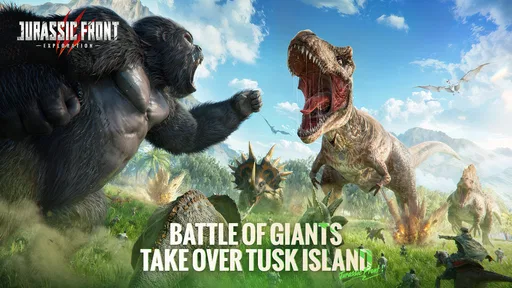
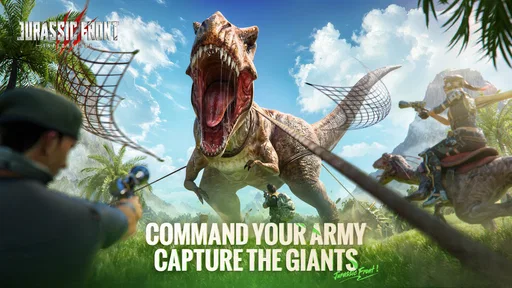


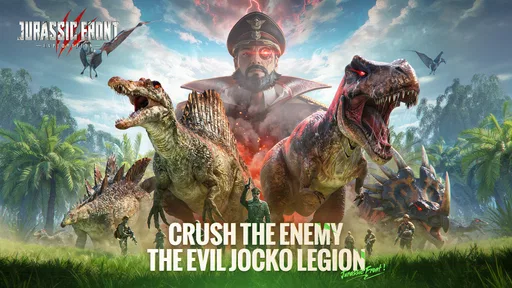
 Analysis by AppCompare
I went into Jurassic Front: Survival expecting a familiar dinosaur strategy game, but its appeal is more specific than that. This is a free strategy game from Joy Crit that puts the player in charge of battles inside a dinosaur-focused open world. The central question is not simply whether the creatures look impressive; it is whether you enjoy making repeated tactical decisions while also dealing with the pressure of exploration, survival, and progression.
That distinction matters when choosing between this and a more traditional strategy title. I found it most interesting when I treated each encounter as a small planning problem rather than rushing toward the next fight. The game has enough action to feel adventurous, but its long-term appeal depends on whether you enjoy managing momentum, learning from failed attempts, and deciding when to push forward or play safely.
What to consider before choosing this dinosaur strategy game
The first decision is about the kind of strategy experience you want. Jurassic Front: Survival is not best approached as a quiet board-game-style exercise where every turn is isolated and predictable. Its identity comes from combining command decisions with a dangerous prehistoric setting. If you like the idea of leading battles while moving through a world that constantly suggests risk, it has a clear advantage over more abstract strategy games.
I also considered how much patience the game asks for. A free-to-play title with optional purchases ranging from $0.99 to $99.99 per item deserves a careful look before you invest time in it. The important cost is not only money. It is also attention: learning the rhythm of battles, understanding which improvements matter, and resisting the temptation to spend simply because progress feels slower than expected.
The game is rated Teen, which is a useful sign for families deciding whether it suits a younger player. I would still judge it by the individual player’s comfort with combat and survival themes rather than treating the age label as a complete recommendation. For adults and older teenagers who enjoy dinosaurs as more than a visual theme, the setting gives the strategy layer a stronger identity.
On the technical side, the current version is 1.1.6.9 and it supports devices running Android 7.0 or later. That makes it accessible to a broad range of Android users, although compatibility alone does not tell you how comfortable the game will feel on every phone. Strategy games with busy scenes can be easier to enjoy on a larger display, especially when you are trying to read the battlefield and make a decision quickly.
The public response is encouraging without making the game an automatic recommendation. It holds a 4.4 average from around 3.7 thousand ratings, with 468 written reviews and over 100 thousand installs. I read those figures as evidence that the basic concept connects with a meaningful audience, not as proof that every player will enjoy the same pace or progression style.
Worth Reading Before You Choose

EA SPORTS FC Mobile 26 Is a Bigger Football Game, but It Takes Time

Flipboard Shows What News Apps Must Do Beyond the Feed

Switching to Android Auto Means Rethinking Your Driving Routine

Google Calendar Makes a Crowded Week Easier to Manage

Ludo King Makes the Most of the Minutes Between Plans

Baby Panda World Brings Quick Play to Modern Phones, but Its Game Library Feels Busy
The first few sessions: learning to think before attacking
My best early advice is to avoid treating every visible threat as an invitation to fight immediately. The prehistoric setting naturally encourages aggressive play, but a strategy game rewards preparation more than enthusiasm. Before committing, I would look at the situation, consider what the encounter is asking from me, and decide whether the likely reward justifies the risk of losing momentum.
This is one of the less obvious strengths of the game’s theme. Dinosaurs make the world feel unpredictable, so even a straightforward objective can become a test of judgment. I found that the most satisfying moments came when I changed my approach after a poor result instead of repeating the same attack. That habit is more valuable here than trying to memorize a single winning routine.
For a short everyday session, the game can work well after school or during a commute when you want something more involved than a puzzle but less demanding than a long console session. I would begin with one clear goal, play until that goal is complete, and stop before making careless decisions. This approach keeps the experience focused and reduces the frustration that comes from playing while distracted.
Why the open-world setting changes the strategy experience
The open-world structure gives the game a different feel from a sequence of disconnected battles. The surroundings are not just decoration; they create a sense that your next decision belongs to a larger journey. Even when the immediate task is combat, I was thinking about what that victory would allow me to attempt next and whether moving forward was sensible.
This structure is especially useful for players who lose interest in strategy games that present the same kind of match repeatedly. The dinosaur setting gives each step a stronger sense of place, while the survival angle adds an emotional reason to be cautious. I did not always want the fastest victory. Sometimes the better decision was the one that preserved my ability to continue exploring.
There is a trade-off, though. Players who prefer perfectly balanced, self-contained matches may find the open-world framing less direct. It can take longer to feel the full result of a decision because progress is tied to a broader adventure. If your ideal strategy game is a clean competitive contest with minimal atmosphere, this may not be the most efficient choice.
Where Jurassic Front: Survival wins
Its strongest advantage is the way it gives strategic decisions a clear sense of danger. The prehistoric world makes ordinary planning feel more meaningful. Choosing when to engage, when to conserve your strength, and when to move ahead becomes part of surviving the setting rather than merely clearing another stage.
That makes it a good fit for players who want more than a dinosaur collection or a simple action game. The creatures provide the immediate appeal, but the lasting interest comes from command. I enjoyed the game most when I focused on the relationship between a battle and the next objective instead of judging each encounter in isolation.
Another strength is accessibility. Because it is free to download and runs on Android 7.0 or later, it is easy to try without committing money at the beginning. That matters in a crowded strategy category. You can discover whether the pacing suits you before deciding whether any optional purchase has a place in your own play style.
The free entry point also makes it practical for a shared household device. If someone in the family is curious about dinosaur games but has not settled on a favorite strategy title, this is an approachable experiment. I would explain the optional purchase range first, then encourage them to play far enough to understand the normal progression before spending anything.
Three habits that make the game feel better
First, I would separate experimentation from progress. Use lower-pressure encounters to test an approach, then apply what worked when the objective matters more. This prevents a single failure from turning into a long sequence of repeated mistakes and helps you learn the game’s decision rhythm naturally.
Second, I would avoid spending to solve a problem that is really caused by poor timing. When a battle goes badly, ask whether the issue was an unsuitable approach, premature advancement, or a failure to prepare. A purchase may offer convenience, but it cannot replace understanding why the previous attempt failed.
Third, I would play with the screen held steadily and avoid making important choices while multitasking. That sounds obvious, but the game’s appeal depends on making deliberate decisions. A distracted session can make the experience seem more repetitive or unfair than it actually feels when given proper attention.
These habits are not flashy features, but they are where I found extra value. The game rewards a player who treats it as a gradual learning experience. Someone who only wants immediate victories may miss the part that gives the strategy category its depth.
How the developer’s direction comes through
Joy Crit has chosen a clear combination: dinosaurs, battles, exploration, and survival. That focus is more effective than trying to imitate every type of strategy game at once. The result feels aimed at players who want a strong theme wrapped around their decisions rather than a neutral battlefield with interchangeable units.
The concept also explains why the game can appeal to two different audiences. Dinosaur fans get a recognizable world to explore, while strategy players get reasons to think beyond the next attack. If only one of those sides interests you, the experience may feel incomplete. If both appeal to you, the combination is the main reason to try it.
Where another strategy game may fit better
I would not choose this game for someone who wants a purely competitive strategy experience with short, self-contained matches. A conventional tactics game may be better when you want every decision judged immediately and every session to have a crisp beginning and end. Jurassic Front: Survival is more suitable when the feeling of an ongoing adventure matters as much as the individual battle.
It may also be the wrong choice for players who dislike survival pressure. The setting is built around danger, and that can make progress feel less relaxed than in a casual city builder or a decorative management game. Those alternatives may offer a gentler routine, especially for someone who wants to check in briefly without worrying about whether a risky decision will disrupt the next part of the journey.
Fans of deep historical strategy should also set their expectations carefully. The game’s appeal comes from its prehistoric identity and accessible adventure structure, not from recreating a detailed political or economic simulation. If you want diplomacy, complex resource chains, or a slow campaign built around historical systems, a different category of strategy game will probably serve you better.
There is another important comparison with dinosaur-focused collection games. Those titles often make the creatures themselves the main reward. Here, the dinosaurs support a command-and-survival experience. I would recommend this one to a player who wants to make decisions around dinosaurs, not simply admire or gather them.
The friction of free-to-play progression
The free price is a genuine advantage, but it also changes how I evaluate the game. Optional purchases from $0.99 to $99.99 per item create a wide range of possible spending, so I would decide on a personal limit before becoming invested. That is especially important when a difficult encounter makes a shortcut feel emotionally attractive.
I prefer to treat purchases as convenience rather than a requirement for enjoying the concept. If you are comfortable progressing at the game’s natural pace, the free starting point is useful. If you expect every improvement to arrive quickly, frustration may appear sooner, and another strategy game with a simpler payment model could be a better fit.
The cost of switching from another game is mostly about learning a new rhythm. Someone moving from a fast match-based title may need time to adjust to the broader adventure structure. Someone leaving a slow management game may instead appreciate the stronger sense of immediate danger. In both cases, I would give the game several focused sessions rather than judging it after a rushed first attempt.
Who should skip it
I would skip Jurassic Front: Survival if you want a completely passive experience, a story-first adventure with almost no tactical pressure, or a strategy game that never asks you to reconsider a failed plan. The dinosaur theme alone is not enough if you dislike making repeated decisions under risk.
I would also hesitate to recommend it to anyone who is highly sensitive to optional spending prompts. The broad purchase range means disciplined play is important. If you know that you tend to pay whenever progress slows, choose a game whose structure and payment approach feel more comfortable before starting a long-term campaign.
Finally, players seeking a polished experience designed around very short bursts should consider whether the open-world survival framing fits their routine. It can work in brief sessions, but its larger appeal comes from remembering what you were trying to accomplish and adjusting your next move. If you cannot give it that continuity, the game may feel less rewarding.
My recommendation after weighing the trade-offs
I recommend Jurassic Front: Survival to Android players who want dinosaurs to be part of a real strategy adventure rather than a decorative theme. Its best qualities appear when you plan before battles, learn from setbacks, and treat exploration as a series of connected decisions. The open-world setting gives the game a stronger personality than a generic battlefield, and the free entry point makes testing that personality easy.
I would approach it with realistic expectations. This is not automatically the best option for every strategy fan, and it will not replace a deep competitive tactics game or a calm management simulator. Its value lies in the middle ground: an accessible dinosaur adventure where command choices and survival pressure shape the experience.
If I were recommending it to a friend, I would say to install it when you want a themed strategy game that can grow into a regular habit, but begin without spending. Play deliberately, notice whether the open-world progression keeps you curious, and decide later whether optional purchases genuinely improve your experience. That test tells you more than the dinosaur premise alone.
For me, the final verdict is positive with a clear condition: choose it for the combination of prehistoric atmosphere and tactical decision-making, not merely because it features dinosaurs. Players who enjoy that combination should find enough personality to stay interested, while those who want a simpler, faster, or more competitive format will likely be happier with a different strategy alternative.
Pros
- Base-building and survival systems offer plenty of goals beyond combat.
- Dinosaur encounters make exploration feel more exciting and unpredictable.
- Regular missions provide structure when you are unsure what to do next.
- Resource gathering rewards frequent play without requiring long sessions.
- The prehistoric setting gives the game a distinctive atmosphere and theme.
Cons
- Progress can slow noticeably when upgrade materials become scarce.
- Large menus and systems may feel overwhelming for new players.
- Some rewards and features are tied closely to watching ads or spending.
- Combat may become repetitive after facing similar dinosaur types repeatedly.
- An internet connection may be required for several core game features.
FAQs for Jurassic Front: Survival
What is Jurassic Front: Survival about?
Jurassic Front: Survival is a dinosaur-themed survival and strategy game where you build a base, gather resources, research technologies, recruit or manage survivors, and defend your settlement against prehistoric creatures and other dangers. The game combines exploration, construction, combat, and progression systems, so it is more involved than a simple dinosaur action game. Before downloading, expect a steady focus on upgrading buildings and managing limited resources.
Can Jurassic Front: Survival be played offline?
The game is primarily designed as an online experience, so an internet connection may be required for loading the game, saving progress, receiving events, synchronizing your account, and accessing multiplayer or community features. Offline availability can also vary between specific activities and game versions. If you plan to play while traveling or without mobile data, check the current store description and test the connection requirements before relying on it.
Is Jurassic Front: Survival free to download and play?
Jurassic Front: Survival can generally be downloaded without an upfront purchase, but it may include optional in-app purchases. These purchases can provide resources, speed up construction or research, unlock bundles, or offer other progression advantages. You can usually play without spending money, although advancing may take more time and require careful resource management. Parents should also review purchase settings if children use the device.
Does Jurassic Front: Survival contain ads or in-app purchases?
The game may use advertisements and optional in-app purchases as part of its free-to-play model. Ads can sometimes provide rewards, while purchases may offer premium currency, resource packs, special items, or time-saving benefits. The exact frequency and available offers can change with updates, events, and region. Players who prefer a completely uninterrupted experience should review the app’s current store information before installing.
What devices are compatible with Jurassic Front: Survival?
Compatibility depends on the operating system, device model, available storage, and the minimum software version required by the current release. Because the game includes detailed environments, animated dinosaurs, base management, and online systems, older phones or tablets may experience longer loading times, reduced performance, overheating, or crashes. Check the Google Play or App Store listing for the latest requirements and keep sufficient free storage available for updates.


